

Table of Contents
Are you drawn to the charm of yesteryear but unsure how to bring that nostalgic appeal into your contemporary living space? Retro coffee tables offer the perfect solution to merge vintage aesthetics with modern functionality. What is retro coffee, exactly, when it comes to furniture? It’s more than just an old table—it’s a stylish centerpiece that captures the essence of a specific era, typically from the mid-20th century, while serving as a functional gathering point in your living room.
Retro coffee tables stand out with their distinctive designs featuring clean lines, organic shapes, and materials like teak wood, fiberglass, or chrome that were popular during the 1950s through the 1970s. Whether you’re a dedicated vintage enthusiast or simply looking to add character to your home, understanding retro coffee table styles can transform your space with a touch of history and unique personality.
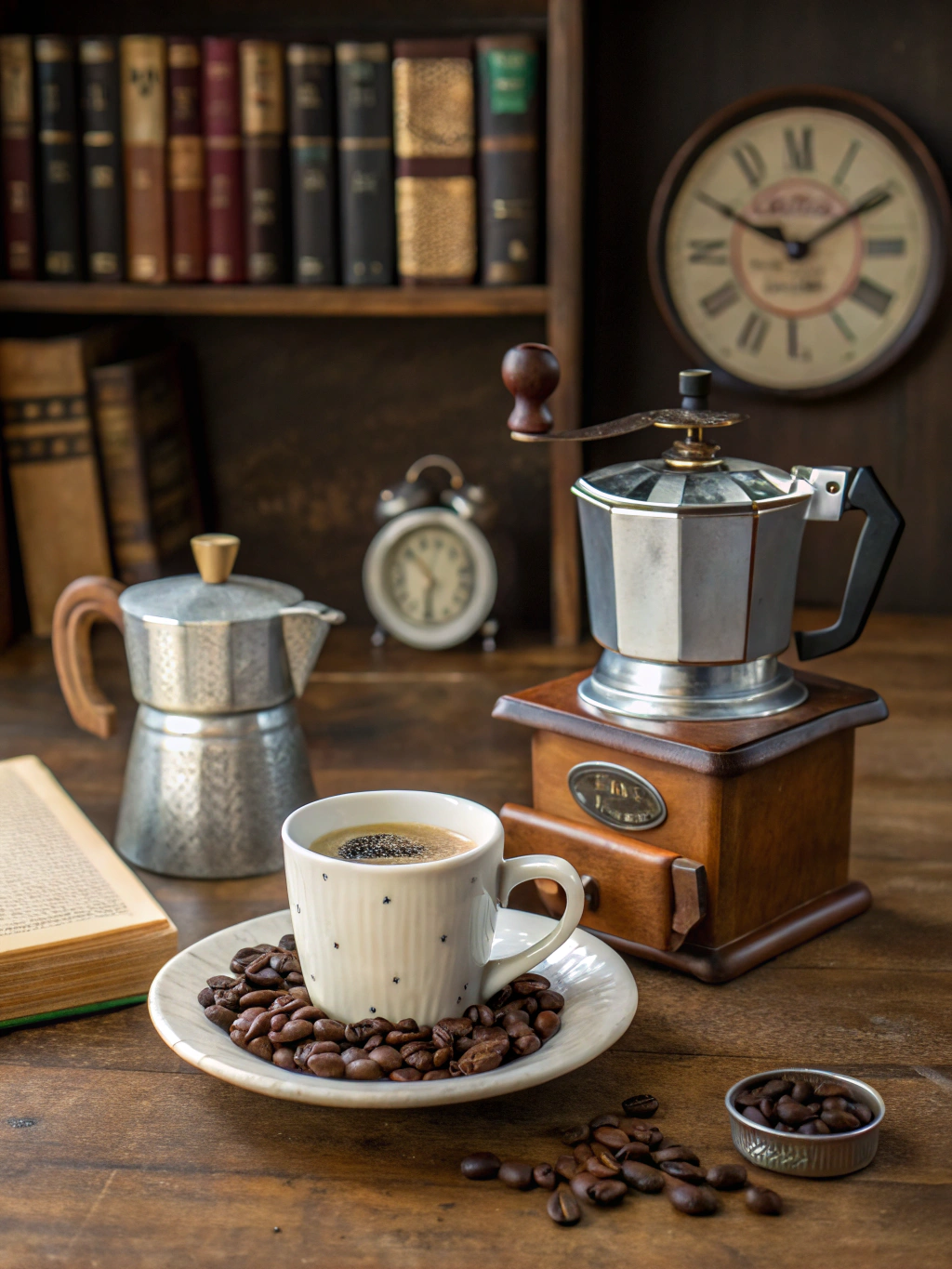
The beauty of retro coffee tables lies in their versatility. They can serve as striking conversation pieces while functioning as practical surfaces for your morning coffee, favorite books, or decorative items. Many interior designers consider these vintage-inspired pieces essential for creating depth and interest in contemporary spaces, preventing rooms from feeling too sterile or catalog-perfect.
The History and Evolution of Retro Coffee Tables
The story of retro coffee tables begins in the mid-20th century, during a time of significant social and design transformation. Following World War II, America experienced unprecedented prosperity and optimism, which manifested in bold, innovative furniture designs.
The 1950s introduced the world to the iconic Mid-Century Modern movement, characterized by clean lines, minimal ornamentation, and functionality. Coffee tables from this era typically featured tapered legs, organic shapes, and warm wood tones—particularly teak, walnut, and rosewood. Designers like Charles and Ray Eames, Isamu Noguchi, and George Nelson created coffee table designs that continue to influence modern furniture makers today.
As we moved into the 1960s and 1970s, retro coffee table designs became more experimental. The Space Age aesthetic brought chrome, glass, and plastic into living rooms nationwide. Coffee tables took on more dramatic forms with geometric shapes, bold colors, and innovative materials. These pieces weren’t just functional furniture—they were statements about embracing the future.
Key Design Elements That Define Retro Coffee Tables
When identifying what makes a coffee table truly “retro,” several distinguishing features stand out:
- Distinctive silhouettes: From kidney-shaped and surfboard-style tables to geometric or boomerang formations
- Material combinations: Contrasting elements like wood paired with metal, glass tabletops with wooden frames, or fiberglass with chrome accents
- Tapered legs: Slender, angled supports giving tables a light, elevated appearance
- Rich wood tones: Warm, medium-to-dark finishes that highlight natural grain patterns
- Minimal hardware: Clean joins and hidden fasteners creating seamless appearances
These design elements work together to create pieces that feel both nostalgic and timeless. The distinctive features of retro coffee tables make them immediately recognizable to design enthusiasts while remaining accessible to casual decorators looking to add character to their spaces.
Popular Retro Coffee Table Styles That Define Eras
Understanding the various retro coffee table styles helps when searching for the perfect piece to complement your home. Each decade produced distinctive designs that continue to influence contemporary furniture.
Mid-Century Modern (1940s-1960s)
The quintessential retro coffee table style features organic shapes, tapered legs, and warm wood tones. Mid-century coffee tables often incorporated elements like:
- Sculptural, biomorphic forms inspired by nature
- Hairpin legs or splayed wooden legs
- Minimal ornamentation letting materials and craftsmanship shine
- Functional features like storage compartments or nesting capabilities
These tables remain extremely popular in modern homes for their timeless appeal and versatility. They pair beautifully with both vintage and contemporary furnishings, making them ideal transitional pieces.
Space Age/Atomic (Late 1950s-1970s)
For a more dramatic retro statement, Space Age coffee tables capture the optimism and technological fascination of the Cold War era:
- Chrome and glass combinations
- Acrylic and plastic materials in bold colors
- Geometric, futuristic forms
- Sculptural bases resembling atomic structures or spacecraft elements
These conversation-starting pieces work wonderfully in eclectic interiors where unique design elements take center stage.
Danish Modern/Scandinavian (1950s-1970s)
For those preferring understated elegance, Danish Modern coffee tables offer sophisticated simplicity:
- Clean, minimalist designs emphasizing function
- Light to medium-toned woods like oak and teak
- Refined proportions with subtle details
- Exceptional craftsmanship highlighting natural wood grain
These tables complement contemporary interiors beautifully while adding warmth and natural texture.
How to Incorporate a Retro Coffee Table in Your Modern Home
Adding a retro coffee table to your contemporary space requires thoughtful consideration. When done right, these vintage-inspired pieces create beautiful focal points that elevate your entire room design.
First, consider scale and proportion. Measure your space carefully and visualize how the table will fit within your seating arrangement. Retro coffee tables come in various shapes and sizes—some more substantial than others. The table should be proportionate to your sofa (typically about two-thirds its length) and allow comfortable traffic flow around it.
Next, think about how the piece will complement your existing color palette and materials. A warm wooden retro coffee table adds natural texture to rooms dominated by upholstery and textiles. Alternatively, a glass and chrome table can introduce brightening reflective surfaces to darker spaces.
According to Good Morning America’s recent feature on retro coffee trends, blending periods and styles creates the most interesting interiors. Don’t feel constrained to match all your furniture to the same era—contrasting contemporary sofas with vintage coffee tables often produces the most compelling rooms.
Styling Your Retro Coffee Table for Maximum Impact
Once you’ve selected your perfect retro coffee table, styling it effectively enhances its visual impact:
- Create balanced arrangements: Use the rule of three when placing decorative objects, varying heights and textures
- Incorporate meaningful items: Vintage books, sculptural objects, or family heirlooms add personal significance
- Add natural elements: Plants or fresh flowers bring life and complement the organic forms of many retro designs
- Consider functionality: Leave space for practical use with coasters, small trays, or designated spots for remote controls
Remember that negative space is just as important as the objects you display. Avoid overcrowding your retro coffee table—let its distinctive design breathe and serve as a featured element in your room.
Where to Find Authentic Retro Coffee Tables
Finding genuine retro coffee tables requires knowing where to look. While reproductions abound, nothing compares to the patina and craftsmanship of authentic vintage pieces.
Estate sales and auctions often yield the most exciting discoveries. These venues frequently feature complete household contents, including furniture from specific decades. Armed with knowledge about designers and styles, you can potentially find valuable pieces at reasonable prices. Saturday mornings spent visiting estate sales in established neighborhoods can be particularly rewarding.
Specialized vintage furniture stores offer curated selections of authenticated retro pieces. Though typically more expensive than thrift stores or estate sales, these establishments perform professional restoration and provide provenance information. The premium price often includes peace of mind regarding authenticity and condition.
Online marketplaces have revolutionized vintage furniture hunting. Platforms like 1stDibs, Chairish, and even Etsy feature extensive selections of retro coffee tables from dealers worldwide. These sites allow you to filter by era, materials, and price range, making specific searches more efficient.
For those interested in learning more about historic designs or finding inspiration, Design Haven’s comprehensive guide to retro coffee provides valuable information about identifying authentic pieces and their historical context.
Reproduction vs. Original: Making the Right Choice
When deciding between authentic vintage pieces and modern reproductions, consider these factors:
- Budget: Original designer pieces command premium prices, while quality reproductions offer similar aesthetics at lower price points
- Condition concerns: Vintage pieces may require restoration or have existing wear, while reproductions arrive in perfect condition
- Authentication: Research maker’s marks and distinctive features to ensure authentic vintage purchases
- Environmental impact: Choosing vintage furniture represents sustainable consumption by extending an existing item’s lifespan
Many homeowners combine both approaches—investing in one authentic statement piece while complementing it with thoughtfully chosen reproductions for a cohesive look.
Maintaining and Restoring Your Retro Coffee Table
Proper care ensures your retro coffee table remains beautiful for decades to come. Different materials require specific maintenance approaches:
For wooden retro tables, regular dusting with a soft cloth prevents buildup that can scratch surfaces over time. Apply appropriate wood conditioners or oils twice yearly to maintain moisture levels and prevent cracking. Always use coasters to prevent water rings and heat damage, which can permanently mar vintage wood finishes.
Glass and chrome tables benefit from regular cleaning with appropriate products. For glass surfaces, ammonia-free cleaners prevent streaking, while specialized chrome polishes maintain metal components’ luster without scratching. Address fingerprints and water spots promptly to prevent long-term etching or discoloration.
For more extensive restoration needs, consider professional services. Skilled furniture restorers can address issues like veneer damage, structural weaknesses, or finish deterioration while maintaining a piece’s historical integrity and value. Minor scratches or water rings can often be addressed with DIY methods, but significant damage warrants professional attention.
Conclusion: Why Retro Coffee Tables Continue to Captivate Us
The enduring appeal of retro coffee tables transcends mere nostalgia. These pieces represent exceptional design principles—clean lines, organic forms, quality materials, and thoughtful functionality—that remain relevant regardless of changing trends. By incorporating a retro coffee table into your living space, you connect with design history while creating a uniquely personalized environment.
Beyond their aesthetic appeal, retro coffee tables offer environmental and economic advantages. Choosing vintage furniture represents sustainable consumption by extending the lifecycle of existing pieces rather than demanding new production. Additionally, quality vintage pieces often maintain or increase their value over time, making them potential investments rather than disposable purchases.
Whether you’re drawn to the warm woods of mid-century design, the Space Age excitement of chrome and glass, or the Scandinavian simplicity of Danish Modern pieces, there’s a retro coffee table waiting to transform your living space. The journey of discovering, selecting, and styling your perfect piece becomes part of your home’s story.
Ready to find your perfect retro coffee table? Start by exploring Design Haven’s curated selection of vintage-inspired pieces that bring timeless style to contemporary homes. Your ideal conversation piece awaits!