

…
Table of Contents
When it comes to nostalgic home decor, few styles evoke the same warm feelings as classic Americana from the 1950s. Diner style coffee tables have become increasingly popular for homeowners looking to add a touch of retro charm to their living spaces. These distinctive pieces combine functionality with the unmistakable aesthetic of mid-century diners – those beloved establishments where bottomless cups of diner style coffee fueled conversations over pie and burgers.
The appeal of diner style decor lies in its perfect blend of nostalgia, durability, and timeless design elements. From chrome-edged surfaces to vibrant vinyl seating, the 1950s diner aesthetic remains remarkably fresh decades later. At the center of many diner-inspired living rooms sits the iconic coffee table, a piece that captures the essence of this beloved era.
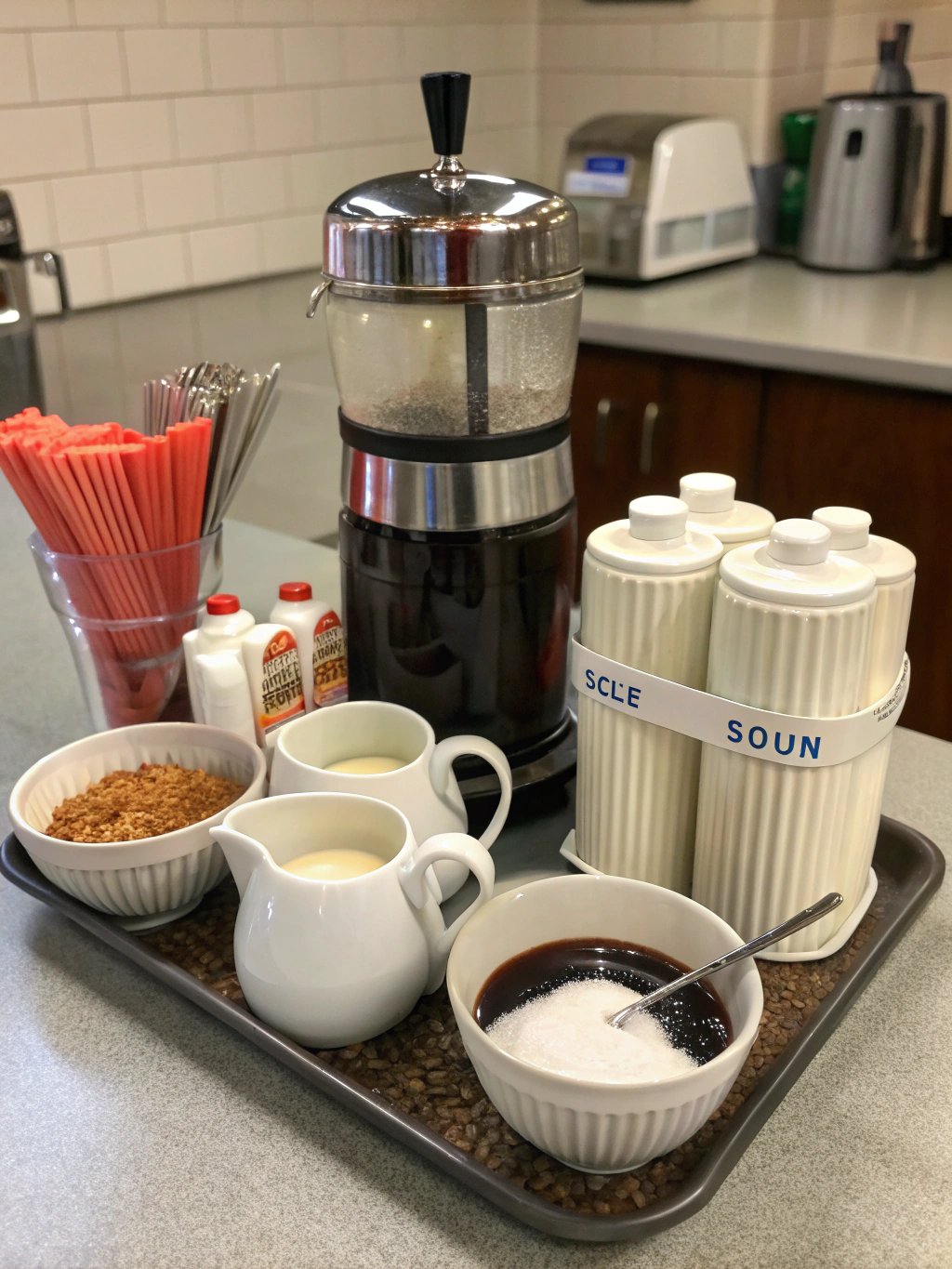
In this comprehensive guide, we’ll explore everything you need to know about diner style coffee tables – from their historical significance to shopping tips and styling advice. Whether you’re a dedicated vintage collector or simply someone who appreciates the occasional retro accent, you’ll discover how these distinctive tables can transform your space into a cozy tribute to America’s golden age of diners.
The History and Appeal of Diner Style Decor
The American diner emerged in the early 20th century, but it was during the post-World War II economic boom of the 1950s that diners reached their cultural zenith. These establishments became beloved community gathering spots where people could enjoy affordable meals, socialize, and of course, drink endless cups of diner style coffee in distinctive heavy mugs.
The Birth of Diner Aesthetics
The visual language of classic diners is instantly recognizable:
- Chrome-trimmed furniture with rounded edges
- Vinyl upholstery in vibrant colors (especially red, turquoise, and yellow)
- Formica tabletops in speckled patterns
- Jukeboxes and neon signage
- Checkerboard floor patterns
This distinctive look wasn’t just stylish – it was practical. Diners needed durable, easy-to-clean surfaces that could withstand constant use. The materials chosen were cutting-edge for their time, representing the mid-century optimism about modern manufacturing and new synthetic materials.
From Commercial Spaces to Home Decor
What began in commercial eateries eventually transitioned into home decor. By the 1990s, nostalgic homeowners began incorporating diner elements into their kitchens and dining areas. Today, this retro style has expanded throughout the home, with the diner style coffee table becoming a centerpiece in many living rooms.
“The diner aesthetic represents a uniquely American design language that combines functionality with a distinct visual personality,” notes interior designer Emma Richards. “These pieces tell a story about American culture and optimism that continues to resonate today.”
Key Features of Authentic Diner Style Coffee Tables
Not all retro-inspired furniture truly captures the authentic diner aesthetic. When shopping for a genuine diner style coffee table, look for these distinctive characteristics:
Material Composition
Authentic diner style coffee tables typically feature:
- Chrome or stainless steel trim and legs
- Laminate or Formica tabletops (often with speckled or boomerang patterns)
- Occasional vinyl accents matching the era’s popular colors
- Sturdy construction built to withstand daily use
The combination of these materials creates the distinctive look that instantly evokes the 1950s diner atmosphere. Unlike more delicate mid-century pieces, diner furniture was built to be practical and durable while still maintaining style.
Distinctive Design Elements
Beyond materials, certain design elements define the diner style coffee table:
- Rounded edges: Safety and style combined with softened corners
- Chrome banding: Typically surrounding the table’s edge
- Splayed or hairpin legs: Creating that distinctive mid-century silhouette
- Height proportions: Slightly lower than contemporary coffee tables
- Expandable features: Some authentic pieces include pull-out extensions
Many modern reproductions capture these elements while adding contemporary updates like stronger materials or subtle design refinements that work better in today’s homes.
Color Palette Considerations
While wood tones dominated much mid-century furniture, diner style coffee tables often featured more vibrant options:
- Red and white combinations (the classic diner color scheme)
- Turquoise and chrome pairings
- Yellow accents against neutral bases
- Black and white for a more subdued look
For a truly authentic feel, look for tables that incorporate these distinctive color combinations in ways that complement your existing decor. As interior design blog Retro Coffee notes, “The beauty of diner style is how these bold colors somehow function as neutrals when properly incorporated into a space.”
Shopping Guide: Finding Your Perfect Diner Style Coffee Table
With the renewed interest in retro aesthetics, finding the perfect diner style coffee table has become easier – though knowing where to look and what to consider remains important.
Vintage vs. Reproduction Options
When shopping for a diner style coffee table, you’ll encounter both authentic vintage pieces and modern reproductions:
Vintage Advantages:
- Genuine period craftsmanship
- Potential investment value
- Authentic materials and patina
- Unique conversation pieces with history
Reproduction Advantages:
- Often more affordable
- No restoration required
- Modern construction techniques
- Easier to find matching pieces
- Customization options
Many homeowners find that reproductions offer the perfect balance of authentic styling with modern durability. However, dedicated collectors may prefer hunting for genuine vintage pieces.
Where to Shop for Diner Style Coffee Tables
Depending on your budget and preferences, consider these shopping venues:
- Specialty vintage retailers: Stores specializing in mid-century or retro furniture
- Online marketplaces: Etsy, eBay, and Facebook Marketplace often list both vintage and reproduction options
- Antique malls: Especially those with mid-century sections
- Estate sales: Particularly in neighborhoods built during the 1950s-1960s
- Modern retailers with retro lines: Companies like Coaster, Richardson Seating, and Safco make quality reproductions
When shopping online, always verify dimensions carefully and check seller ratings before purchasing. For vintage pieces, ask for detailed photos of any damage or wear before committing.
Price Expectations and Budget Considerations
Pricing for diner style coffee tables varies widely based on several factors:
- Authentic vintage pieces: $200-$800+ depending on condition and rarity
- High-quality reproductions: $150-$500
- Budget reproductions: $75-$150
As with any furniture purchase, consider the table’s construction quality and materials. A well-made reproduction may offer better value than a heavily damaged vintage piece requiring extensive restoration.
Styling Tips: Incorporating Diner Style into Your Home
The beauty of diner style coffee tables lies in their versatility. Whether you’re creating a fully committed retro space or simply adding a nostalgic accent, these tips will help you style your table effectively.
Creating a Cohesive Retro Look
For those embracing the full diner aesthetic:
- Pair with complementary furniture: Consider matching end tables or retro-inspired seating
- Add vintage accessories: Retro table lamps, old soda bottles, or vintage advertisements
- Incorporate classic textiles: Checkerboard patterns or vinyl upholstery on nearby seating
- Display period-appropriate items: A vintage radio, classic movie posters, or old board games
Complete the experience with a classic cup of diner style coffee served in heavy ceramic mugs – the perfect way to enjoy your new coffee table while embracing the full sensory experience of diner culture.
Mixing Modern and Retro Elements
For a more subtle approach, try these styling techniques:
- Create contrast: Pair your chrome-trimmed table with contemporary seating
- Limit color palette: Choose one or two retro colors rather than embracing the full rainbow
- Select modern accessories: Contemporary art books or minimalist decor atop your retro table
- Focus on quality materials: Let the chrome and laminate stand out against natural textures
“The key to successful retro integration is balance,” explains interior stylist Marcus Chen. “A diner style coffee table makes a statement, so let it shine by keeping other elements more subdued.”
Practical Considerations for Daily Use
Beyond aesthetics, consider these practical tips:
- Surface protection: Use coasters to prevent scratches on laminate surfaces
- Cleaning regimen: Chrome responds well to specific cleaners; research proper care
- Furniture arrangement: Ensure adequate clearance around the table for comfortable movement
- Storage solutions: Some diner style coffee tables offer minimal storage; plan accordingly
Remember that original diner furniture was designed for heavy use. With proper care, your diner style coffee table should provide decades of service while maintaining its distinctive appearance.
DIY Options: Creating or Restoring Your Own Diner Table
For the creative homeowner, creating or restoring a diner style coffee table can be a rewarding project that results in a truly personal piece.
Upcycling Existing Furniture
Consider these approaches to transform ordinary furniture into diner-inspired pieces:
- Adding chrome trim: Metal edging can be applied to existing table edges
- Replacing table surfaces: New laminate can be installed on wood table tops
- Updating legs: Replacing wooden legs with chrome hairpin or tapered metal versions
- Applying vinyl accents: Adding vinyl-wrapped edges or insets
Many home improvement stores sell the materials needed for these transformations, often at reasonable prices compared to purchasing new furniture.
Restoration Tips for Vintage Finds
If you’ve discovered a genuine vintage piece that needs love:
- Chrome restoration: Special polishes can restore shine to dulled chrome
- Laminate repair: Small chips can be filled with specialized products
- Structural reinforcement: Wobbling can often be addressed with simple fixes
- Cleaning approaches: Different surfaces require specific cleaning methods
When restoring vintage pieces, research appropriate techniques or consult with restoration professionals to avoid damaging valuable items.
Resources for DIY Projects
For those interested in DIY approaches, consider these resources:
- Online tutorials specifically for retro furniture restoration
- Community workshops that teach refinishing techniques
- Specialty suppliers of authentic mid-century materials
- Social media groups dedicated to vintage furniture restoration
Even if you’re not ready to tackle a full restoration, simple cleaning and maintenance can dramatically improve the appearance of a vintage diner style coffee table.
Conclusion: Why Diner Style Coffee Tables Endure
The enduring popularity of diner style coffee tables speaks to their unique blend of nostalgia, functionality, and distinctive design. Whether you’re seeking to recreate an authentic 1950s atmosphere or simply add a conversation-starting accent piece to your contemporary space, these tables offer versatility few other furniture styles can match.
From their chrome-trimmed edges to their colorful laminate surfaces, diner style coffee tables capture a moment in American design history when optimism, innovation, and accessibility converged. They remind us of a time when communities gathered over cups of diner style coffee to share stories and build connections.
As you consider adding this distinctive piece to your home, remember that the best interior design tells your personal story. Whether you choose an authentic vintage piece with its own history or a contemporary reproduction that fits your exact specifications, a diner style coffee table brings with it a sense of warmth and nostalgia that transcends mere functionality.
Ready to start your search for the perfect diner style coffee table? Begin by measuring your space, considering your color preferences, and deciding whether vintage authenticity or modern reliability better suits your lifestyle. Whatever path you choose, you’ll be bringing home not just a piece of furniture, but a slice of Americana that continues to charm and inspire.